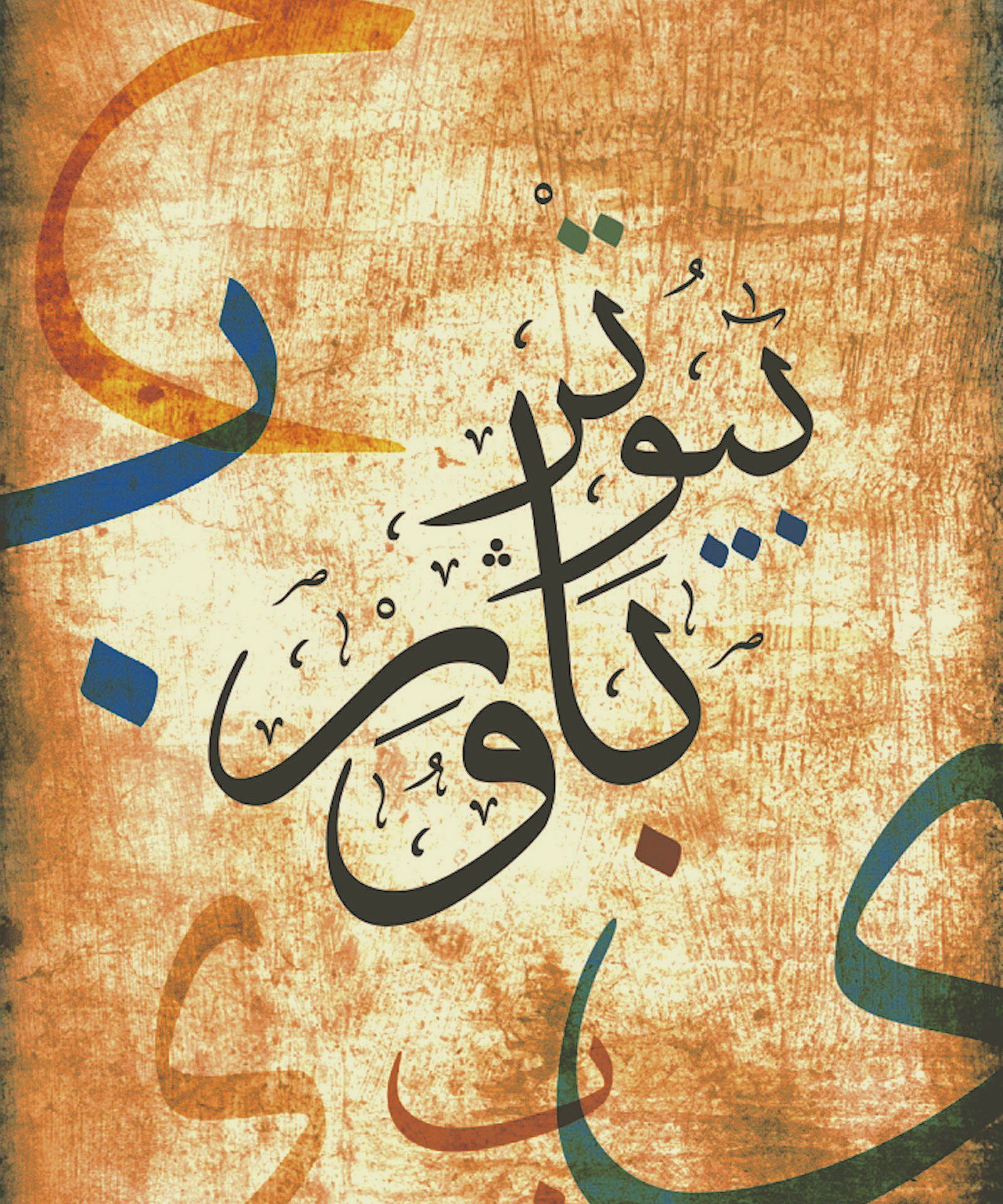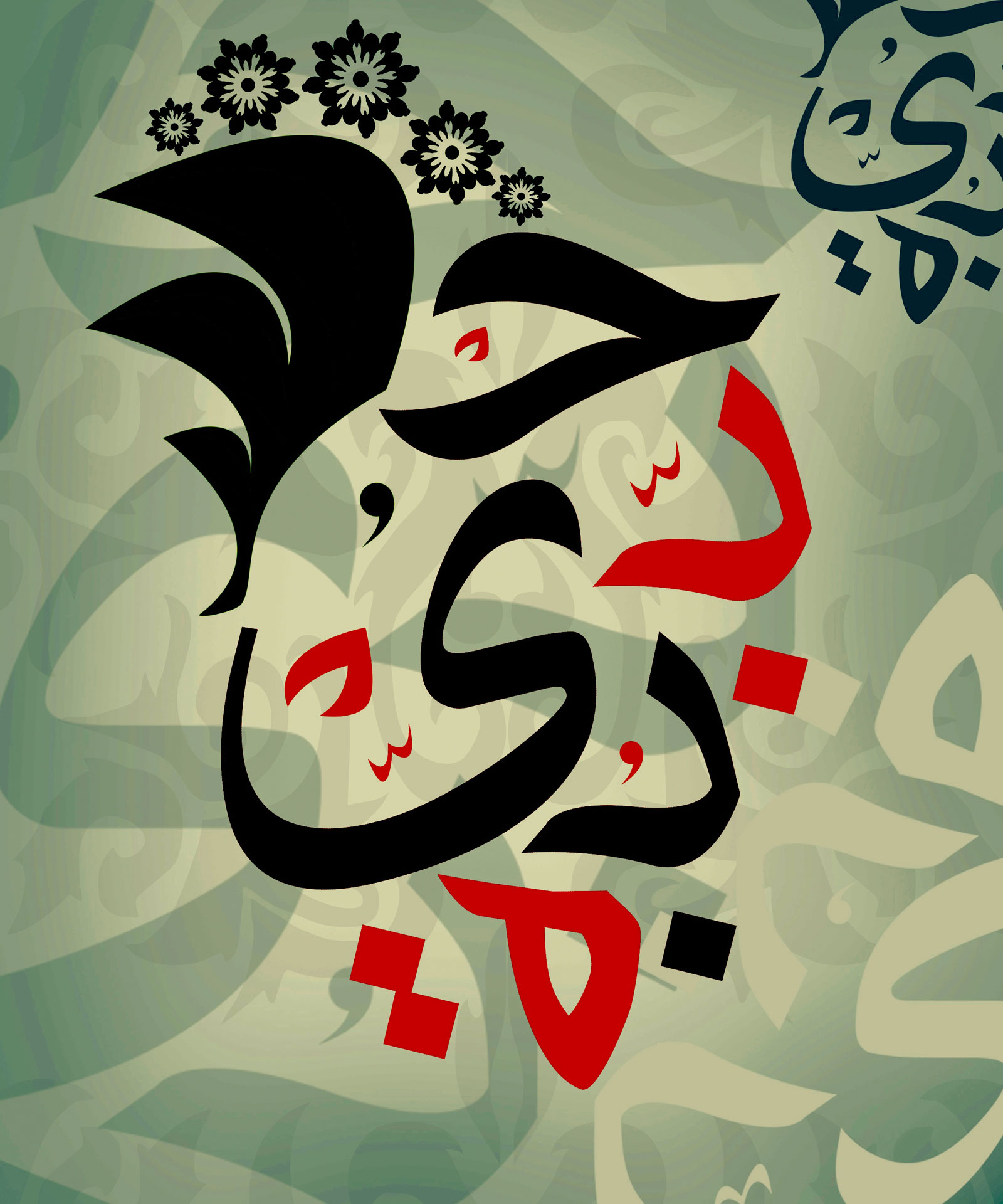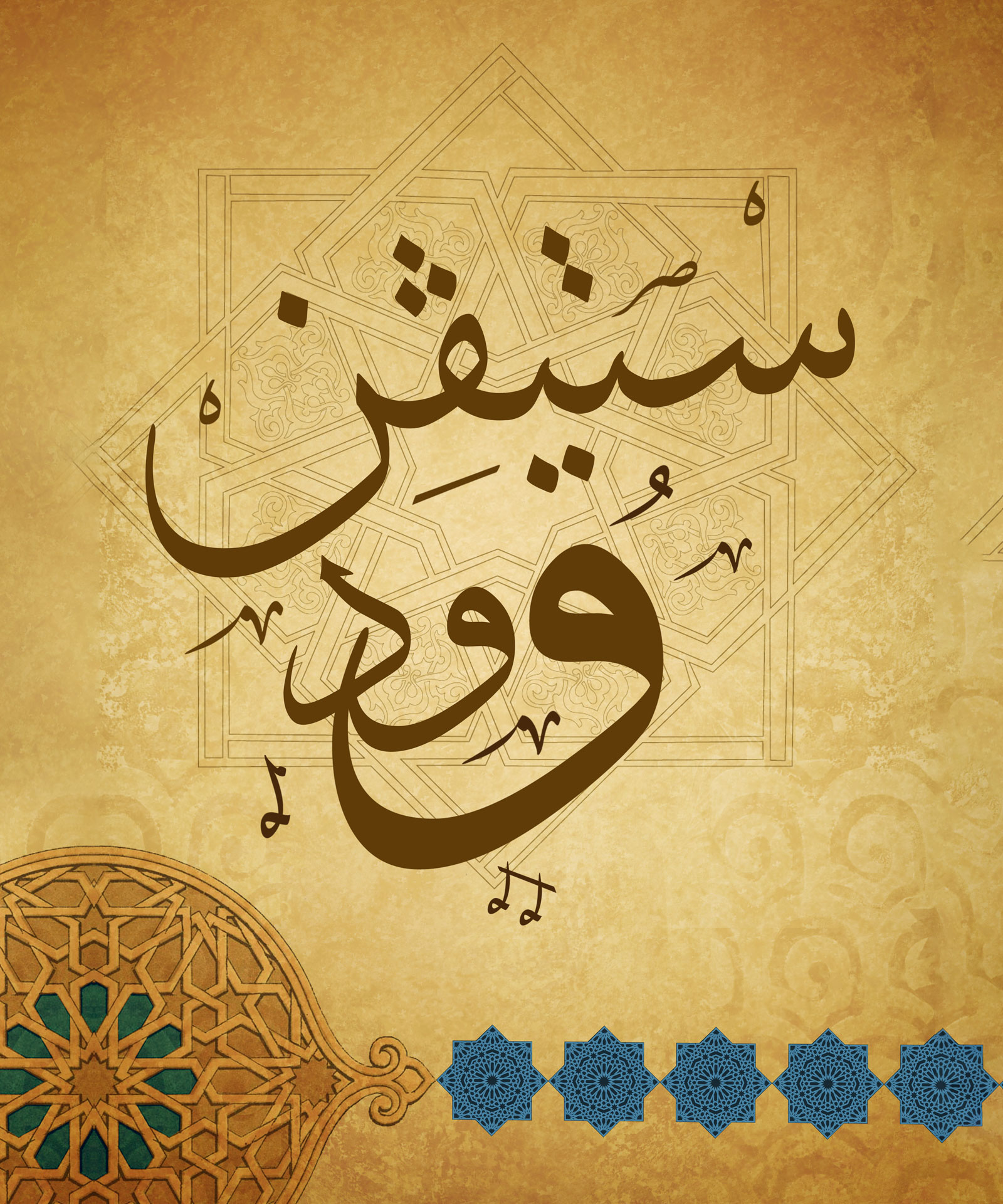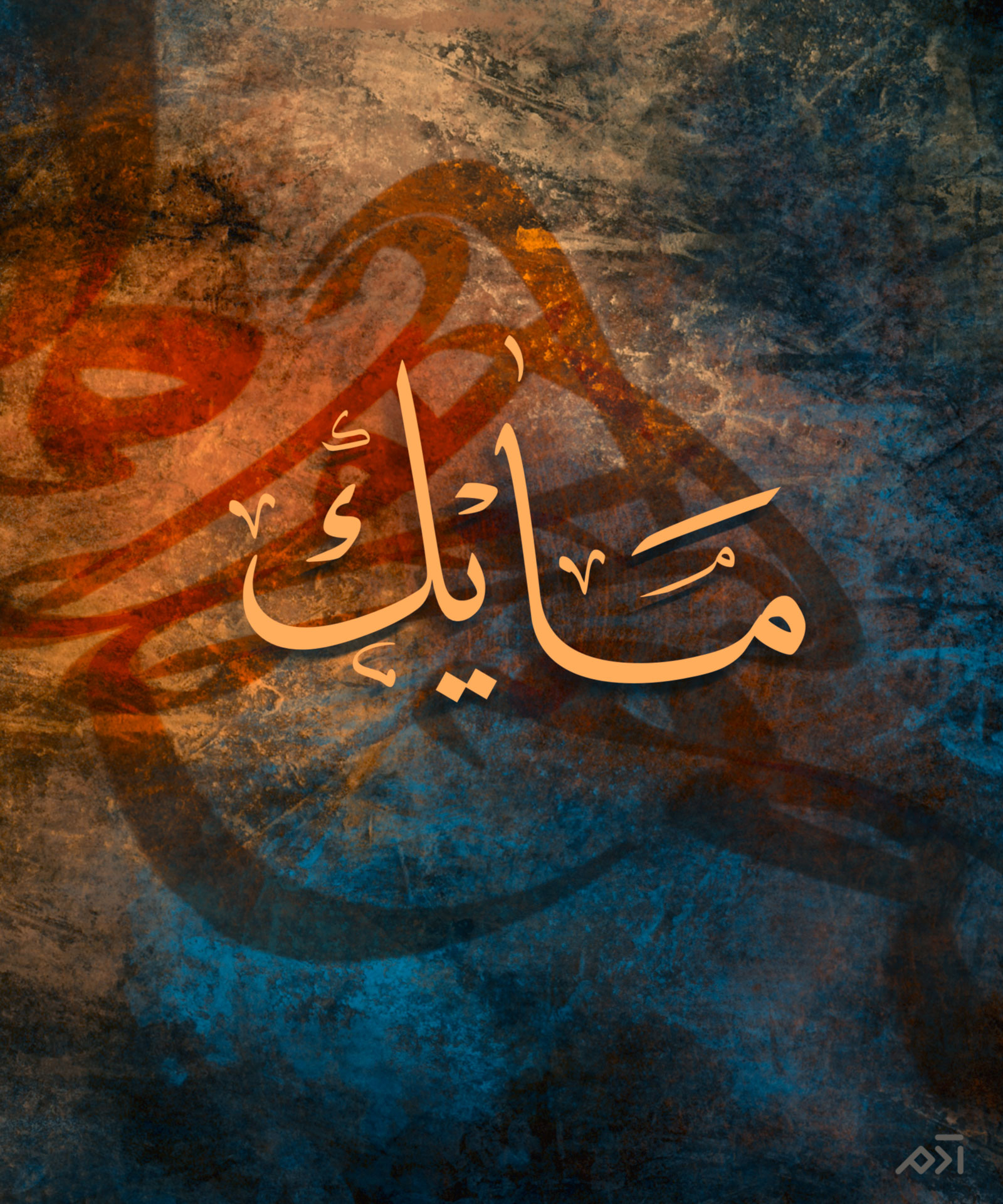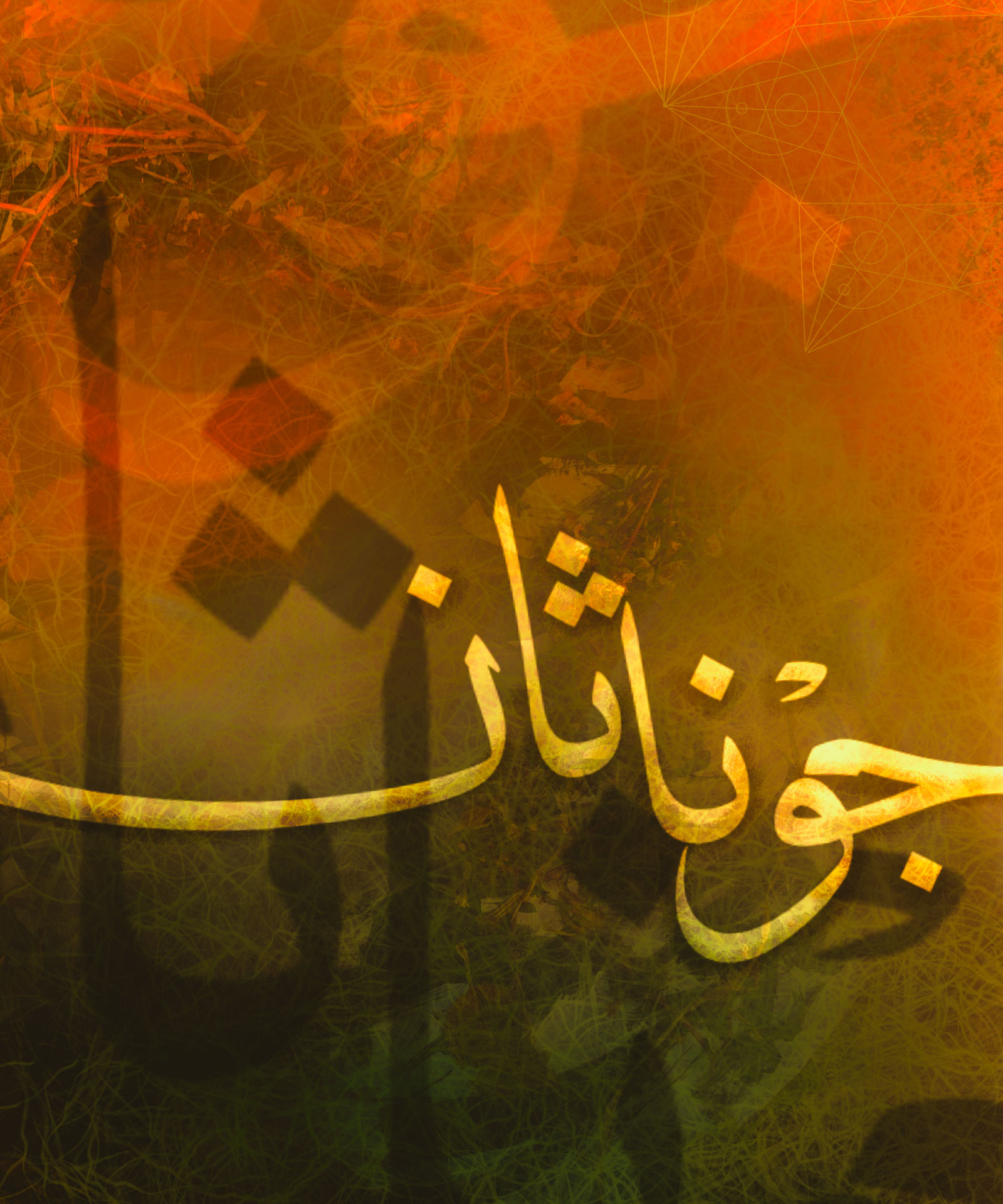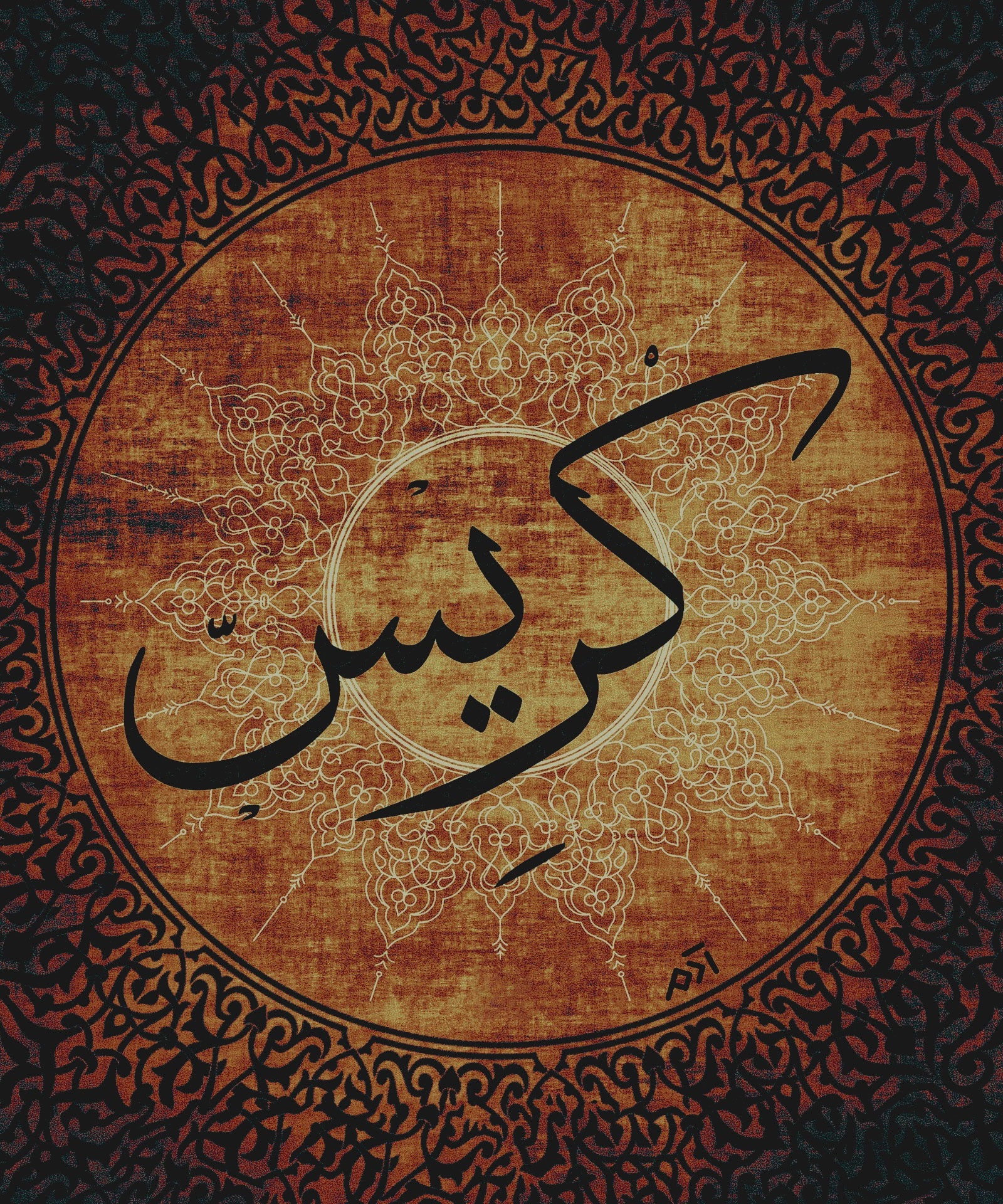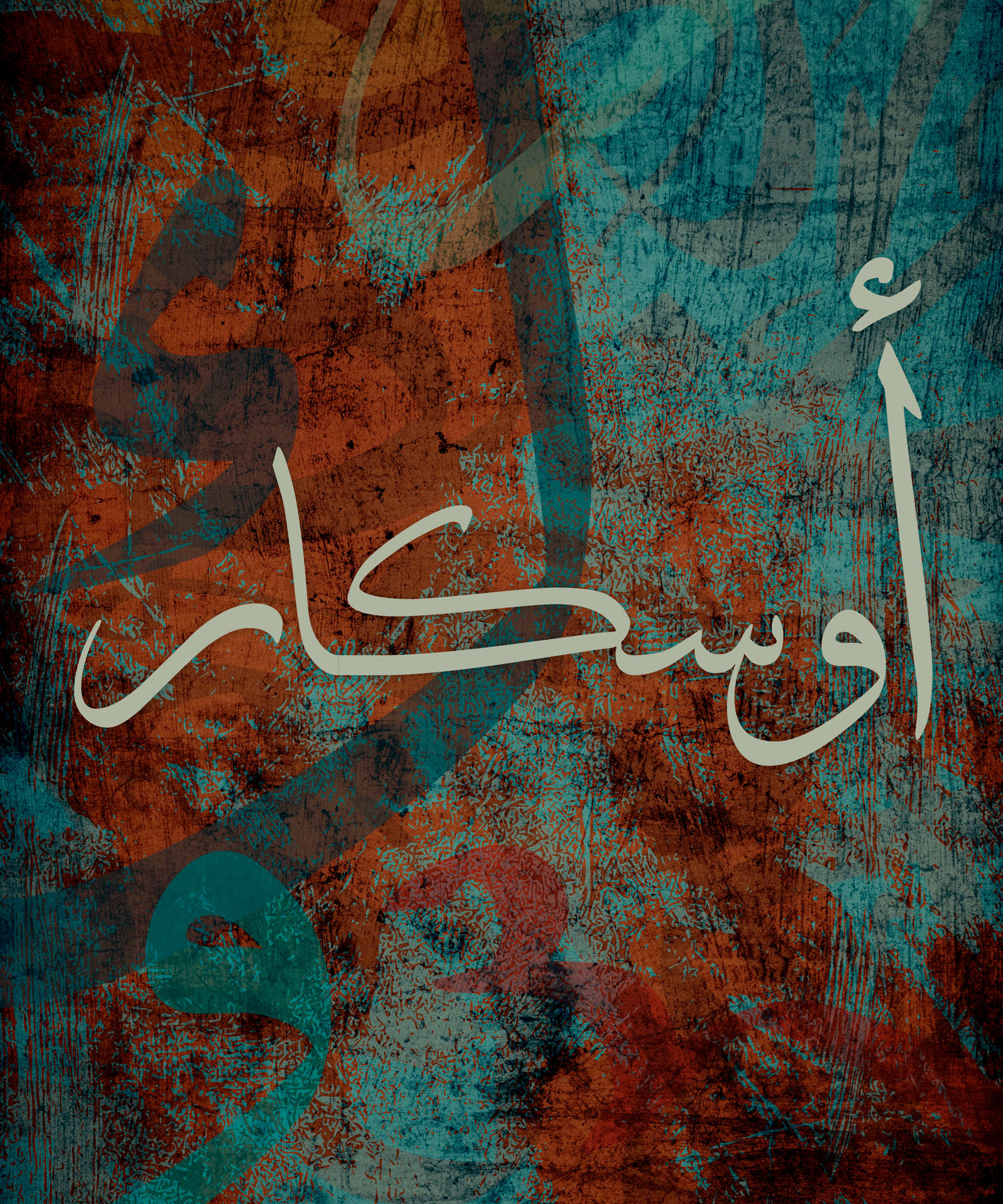
This ongoing personal project explores the use of stylized Arabic script to create personalized typographic works. It began in 2013 with a piece designed for a close friend, translating his name into Arabic and rendering it in a calligraphic style using digital tools.
What started as an experiment in form, meaning and gift-giving evolved into a sustained practice. The work centers on adapting a traditionally expressive script for non-Arabic-speaking subjects, creating visual art with a unique cross-cultural and emotional dimension.
This practice led me to pursue a deeper understanding of calligraphy techniques, including hand lettering and historical styles. The long-term goal is to translate these digital constructions to fully hand-rendered works, while gradually expanding the complexity of the compositions.
Reinterpret traditional calligraphy in a contemporary, digital context
Create personalized typographic compositions rooted in language and form
Develop fluency in both digital and hand-rendered techniques
Evolve from single-word compositions to multi-word, text-based works
Each piece begins by writing a name in Arabic characters using a style influenced by traditional calligraphy, most often drawing from Thuluth for its expressive, elongated forms. The lettering is converted into vector shapes, allowing for precise manipulation of structure and proportion.
Compositions are developed through iterative arrangement to achieve a balance of density. In some cases, I introduce decorative elements to occupy negative space, adding intricacy, depth and rhythm to the design.
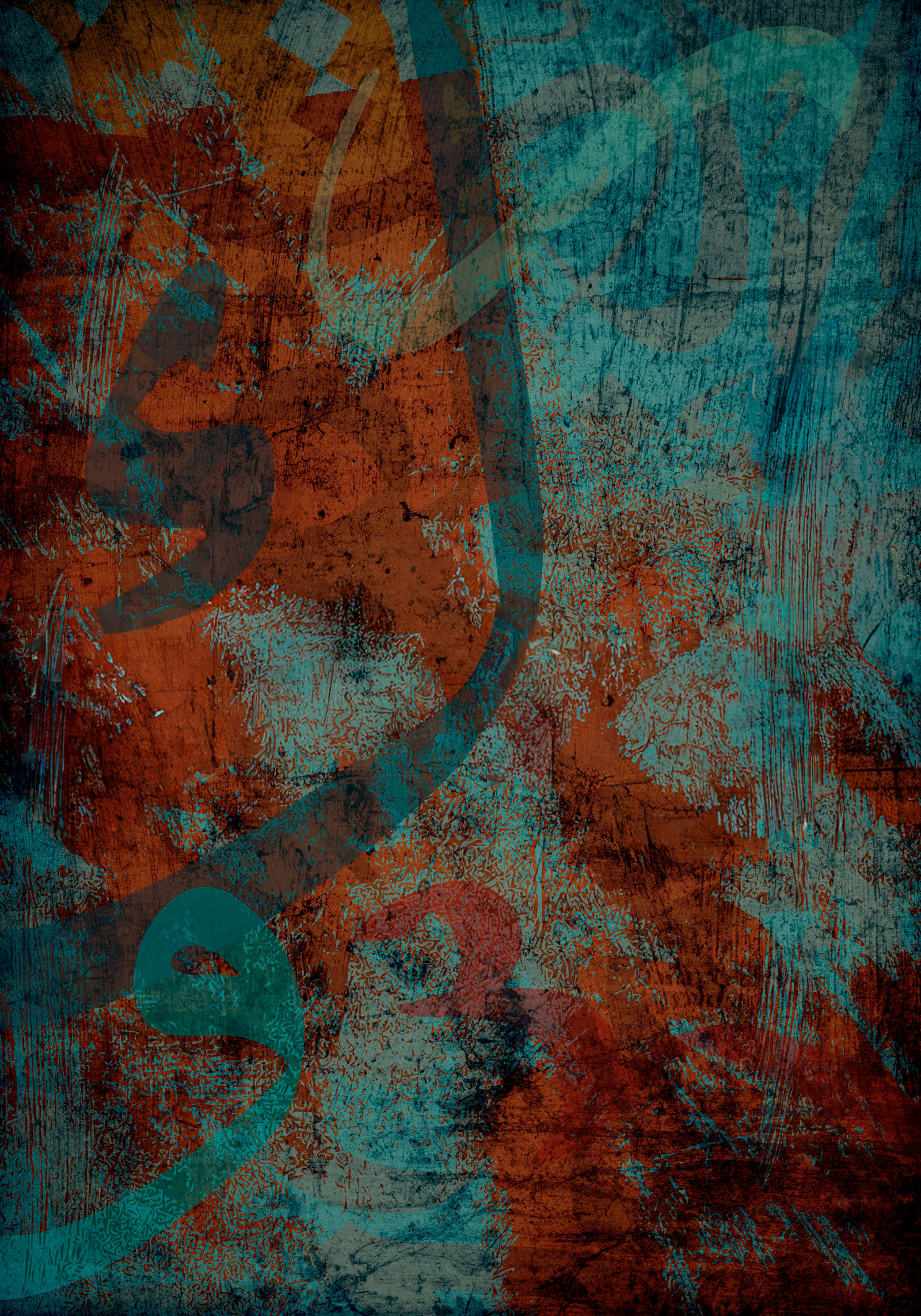
Color is a structural element rather than a decorative one. I test palettes to identify combinations that enhance the composition, occasionally incorporating references meaningful to the recipient. I often apply textured effects to the backgrounds to contrast with the solid forms of the lettering.
I refine the composition by adjusting contrast and tonal balance, printing the finished design on high-quality paper for framing, or producing it on canvas.